Contact Us
1 Pickle Mews, London, SW9 0FJ
VR Headset Prices Are Now Used By The UK To Measure Inflation
Published
Jun 16, 2025
Tags
The UK now tracks VR headset prices to measure inflation, marking VR’s shift from luxury tech to mainstream necessity.
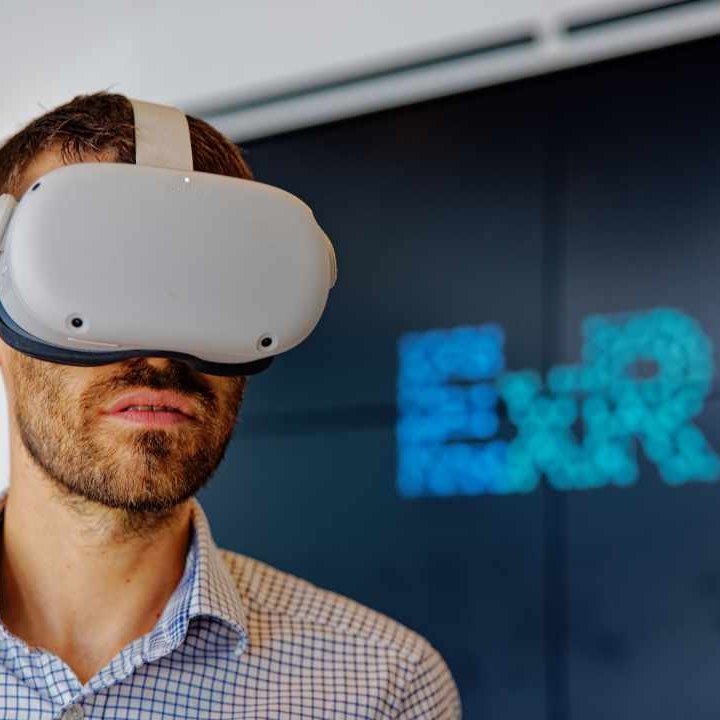
Virtual reality (VR) technology has come a long way since its early days as a science fiction concept. Today, it’s becoming more widely adopted in industries ranging from healthcare to education, entertainment, and beyond. But here's an unexpected development: VR headsets have now been included in the UK’s official list of goods and services used to measure inflation.
This shift signifies more than just a change in statistical methodology, it represents a broader cultural and economic shift, one that acknowledges VR as an essential technology in the modern world.
The UK’s Inflation Basket: What Is It?
The "inflation basket" is a collection of goods and services used by the UK’s Office for National Statistics (ONS) to track changes in consumer prices. This basket is updated each year to reflect the changing purchasing habits of the general public. Items are added or removed based on their relevance to daily life, which means that the list of products in the basket provides a snapshot of society’s most commonly consumed items.
Historically, the basket includes items like clothing, food, and electronics. This year, VR headsets were added, marking a new era for the technology. The decision to include VR signals means that immersive technology is no longer seen as a niche interest for tech enthusiasts; it’s becoming more of an integral part of everyday consumer behaviour.
Why Is This Important?
Inclusion in the inflation basket isn’t just a symbolic gesture. It has real economic implications. The Consumer Prices Index (CPI), which tracks inflation, directly influences key economic decisions, including interest rates, wage negotiations, and social benefits adjustments. By including VR headsets, the ONS is officially recognising the growing role of digital and immersive technologies in shaping consumer spending habits.
For the average person, this could mean lower prices as competition among manufacturers increases. For the technology sector, it’s a signal to double down on innovation and bring VR products to a larger audience.
Moreover, this move could pave the way for the inclusion of other emerging technologies in the future.
VR Headsets: From Gaming to Everyday Use
Once confined to the realm of gaming, VR headsets are now being adopted in a wide range of fields. What was once considered a luxury item for enthusiasts is now seen as a valuable tool in healthcare, education, business, and more. This inclusion in the inflation basket is a direct result of the widespread adoption of VR technologies across these sectors.
In healthcare, VR is revolutionising training, therapy, and treatment. Surgeons can rehearse complex procedures in virtual environments before stepping into the operating room. Physical rehabilitation patients are using VR for engaging exercises that track progress in real-time. Mental health professionals are using VR for exposure therapy, helping patients confront their fears in controlled virtual settings.
In education, VR is enabling students to immerse themselves in subjects that would have been unimaginable just a decade ago, from virtual field trips to anatomy lessons where learners can "walk" inside the human body. Meanwhile, businesses are adopting VR for remote collaboration and training, offering virtual office environments that replicate the experience of being physically present in a meeting.
The Impact on Healthcare and Medical Training
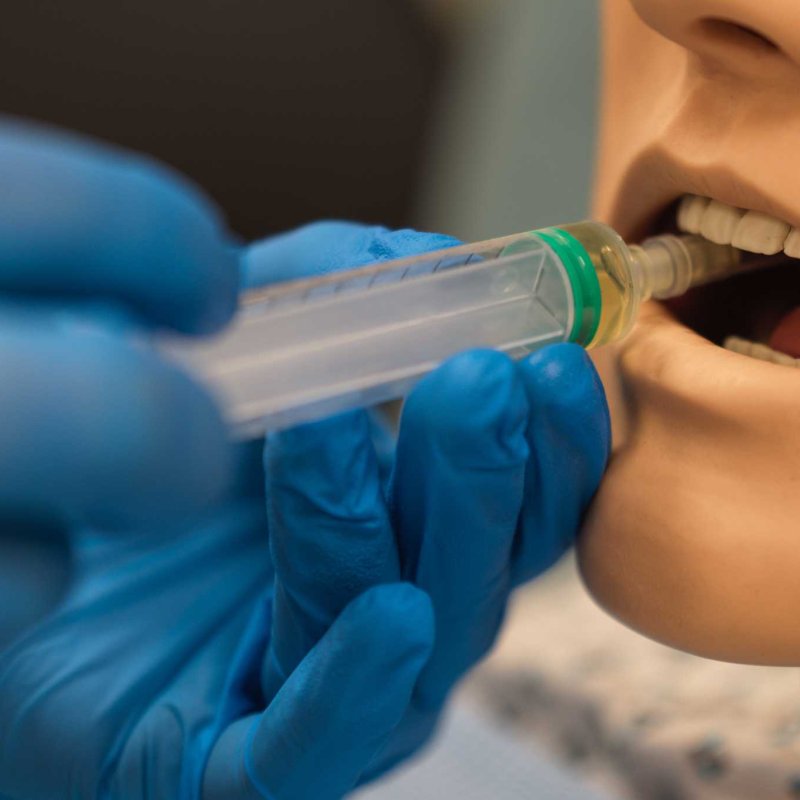
One of the most compelling sectors to watch is healthcare. VR is a game-changer in medical education, offering a safe, controlled environment where practitioners can train and develop skills without putting real patients at risk.
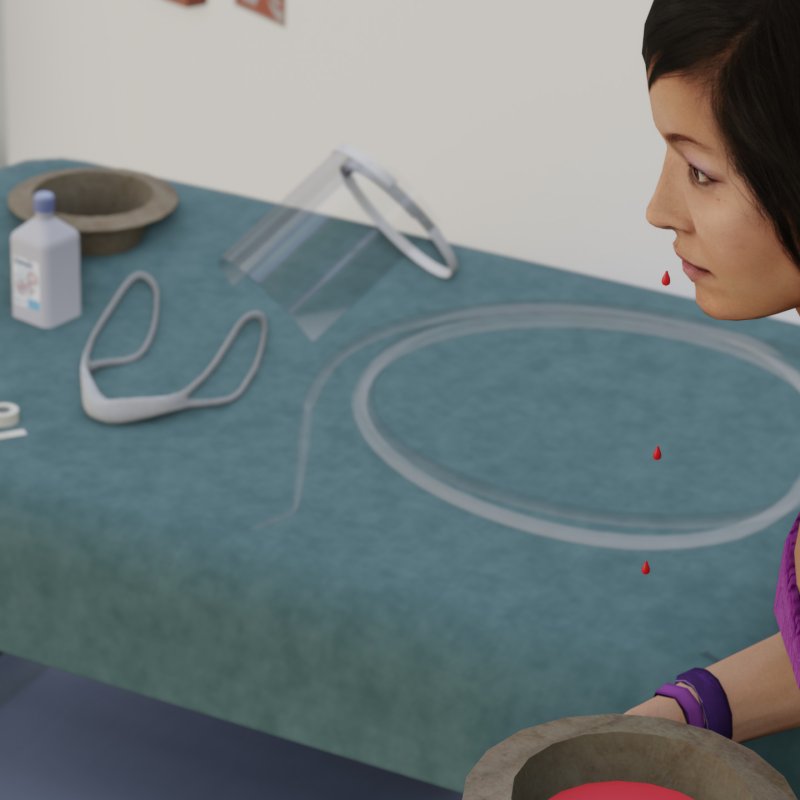
At ExR, we understand how powerful this technology can be. VR allows for training scenarios that are highly interactive, providing an immersive experience that traditional methods can’t match. In fact, the ability to simulate surgeries, patient consultations, and even emergency responses in a risk-free virtual reality is a huge advancement for both medical professionals and patients alike.
For medical students, VR-based education means that complex anatomy or surgical techniques can be learned without the need for cadavers or patients. It allows for repetition, ensuring proficiency in a way that textbooks and passive videos never could. For patients, VR therapy options are making physical rehabilitation and mental health treatment more accessible and effective.
The inclusion of VR headsets in the inflation basket shows that these technologies are no longer an afterthought or a luxury—they are a vital part of the medical toolkit.
How the Inclusion of VR in the Inflation Basket Will Shape the Future
With VR headsets now considered part of everyday life, several key developments are likely to follow:
1. Wider Adoption and Accessibility
As VR becomes more widely used and tracked as a consumer product, economies of scale will help drive down prices. The inclusion of VR headsets in the inflation basket could lead to more affordable options for both consumers and businesses, which could, in turn, drive even broader adoption.
2. Improved Technological Innovation
With a clear indication that the VR market is growing, manufacturers are likely to accelerate innovation. Expect to see lighter, more affordable headsets with improved performance, better graphics, and more comfortable designs. Additionally, the range of VR content available will grow exponentially, including more robust and high-quality healthcare and educational programs.
3. Enhanced Data and Policy Insights
Tracking the prices of VR headsets could also provide new insights into supply chains and technological trends. By observing changes in VR prices over time, policymakers could gain a better understanding of technological adoption and the impact it has on overall inflation.
ExR’s Role in the VR Healthcare Revolution
At ExR, we’re already witnessing the transformational potential of VR in healthcare and beyond. As VR headsets continue to enter the mainstream, we’re committed to developing VR-based solutions that improve patient care, support medical training, and enhance educational experiences.
As the technology becomes more accessible, we’re excited to contribute to the growing body of evidence that supports the integration of VR into clinical settings. Our work aims to empower healthcare providers with the tools they need to offer better care and provide patients with more engaging, effective treatment options.
A New Era for VR
The UK’s decision to track VR headset prices as part of its inflation measures is a clear sign that immersive technology has arrived. It’s not just for gamers anymore—it’s part of the fabric of modern society. As VR continues to evolve and become more integrated into daily life, its impact will be felt far and wide, from healthcare to education and business.
At ExR we’re excited about the future of VR in healthcare, and we’re proud to be at the forefront of its development. We’ll continue to innovate and ensure that VR technology can help build a healthier, more productive world.
Most recent posts
Like what you read?
Please get in touch with us.